
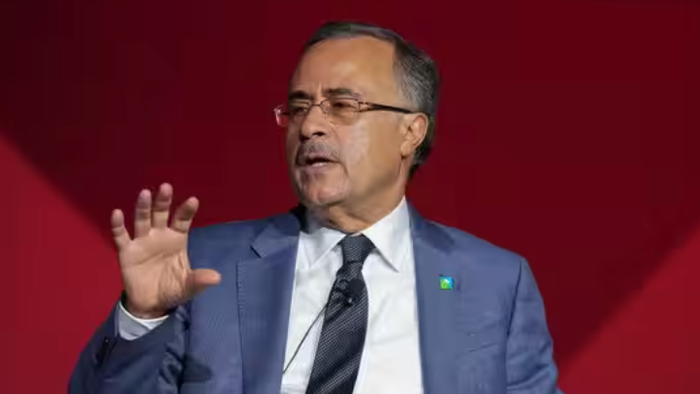
Saudi Aramco, the world's largest oil producer by volume, reported a 33% jump in second-quarter profits on Tuesday as the war-driven surge in Brent crude, which averaged $97 a barrel, boosted earnings. The company maintained export flows by redirecting crude around the disrupted Strait of Hormuz through its East-West Pipeline to the Red Sea.Adjusted net income for the quarter surged to $33.
4 billion from $25.2 billion a year earlier, beating the Bloomberg Consensus estimate of $31.1 billion.
Aramco sold oil at an average of $108.10 a barrel, up from $66.70, while Brent averaged nearly $97 during the quarter.
Aramco heavily relied on its East-West Pipeline, storage facilities, and Red Sea energy terminals to maintain export flows as the Hormuz chokepoint came to a standstill for the quarter. Nevertheless, liquids production plunged 28% to 7.57 million barrels a day, while natural gas output tumbled 16%.
The East-West Pipeline shows how critical an alternative route to transport energy products has become for U.S.-allied countries in the Gulf, as a once-in-a-generation infrastructure buildout, whether a new pipeline or expanded capacity of legacy ones to new ports, is set to be underway.
This, in itself, will erode Tehran's leverage on the Hormuz in the years ahead.Aramco maintained its $21.9 billion base dividend despite generating just $12.
3 billion in free cash flow. Gearing, a measure of the company's indebtedness, increased to 6.2% from 4.
8% at the end of March, highlighting the financial strain of sustaining a payout critical to Saudi government finances.Separately, Aramco's President and CEO, Amin H. Nasser, told Al Arabiya Business that the closure of the Hormuz chokepoint sparked the "largest oil shock in history," resulting in the global market losing more than 2.
6 billion barrels of supply since the start of the Gulf crisis in late February.Aramco’s President and CEO Amin H. Nasser tells Al Arabiya Business that the closure of the Strait of Hormuz caused the “largest oil supply shock in history,” resulting in the global market losing more than 2.
6 billion barrels of supply since the start of the crisis. pic.twitter.
com/DbzlcglOYT — Al Arabiya English (@AlArabiya_Eng) August 4, 2026Nasser said the closure of the Hormuz removes about 100 million barrels of oil from the market every week and has placed the global refining system under severe strain.Goldman Sachs' top commodities experts, Samantha Dart and Daan Struyven, have both warned about the refinery shock and pointed out that "diesel is at the epicenter of the supply squeeze."Read the report:"Diesel Is At Epicenter Of Supply Squeeze,": Goldman"Really Only One Thing Worries Us A Lot": Here's What Keeps Goldman's Commodities Guru Up At NightEven after the chokepoint reopens, Nasser warned that it could take up to 18 months to replenish global inventories.